How to Specify Tira LED Neon for Signage, Shelving and Architectural Projects
A practical selection explainer for distributors, contractors and designers comparing neon flex with standard LED strip.
Tira led neon is a diffused, flexible linear LED product for projects that need a continuous neon-style line rather than visible individual diodes. Distributors, contractors and designers may specify it for signage, architectural outlines, shelving and display accents when a visible, diffused line is required. The product is not automatically better than standard LED strip: it solves a different optical and installation problem. Selection should start with the lighting objective, then match bend direction, voltage and driver, cut interval, ingress protection, color consistency, dimming and mounting. This guide explains suitable configurations, design constraints, common mistakes and practical limits before you quote or specify.
Key Takeaways
- Define the visual job before choosing a product family: continuous line, diffusion, bend plane and viewing distance.
- Match voltage, driver, cut interval, IP and dimming to the real installation, not only to a sample photo.
- Plan mounting, cable entry, thermal path and service access early; these details decide whether the run works.
- Neon flex suits outlines, coves, shelves and signs, but it is not a universal replacement for standard linear strip.
Application fit at a glance
| Application | Typical tira led neon approach | Main design check |
|---|---|---|
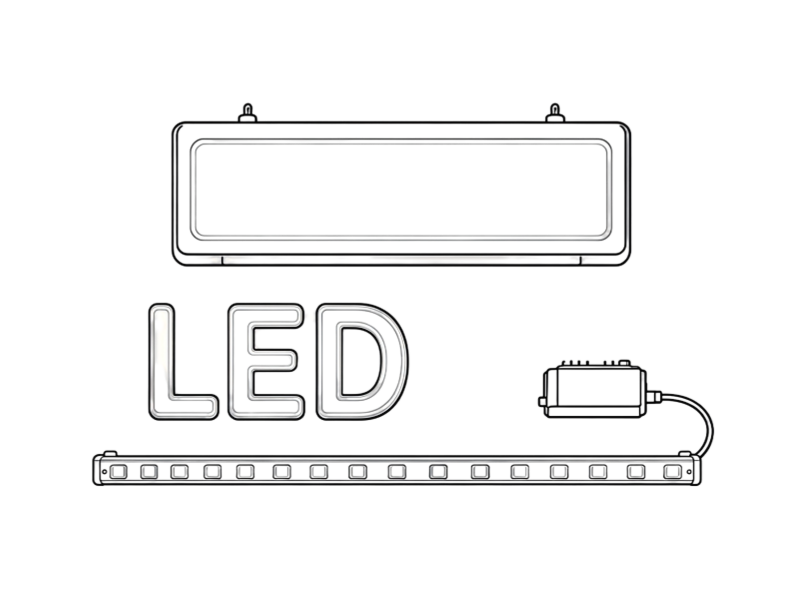
| Signage and channel letters | Side-bend or top-bend neon flex with diffused face and suitable sealing | Bend radius, cut points, driver location and service access |
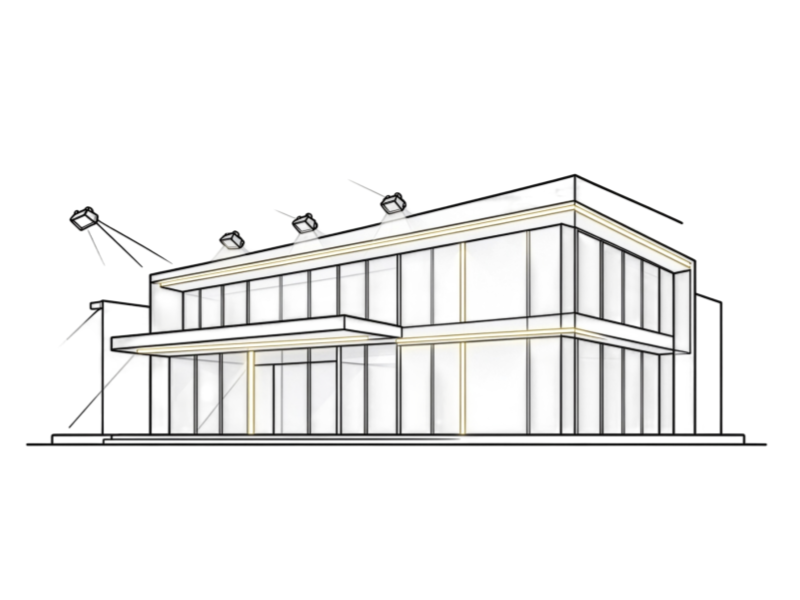
| Cove and architectural outline | Top-bend neon flex or linear profile for a continuous glow | Cove geometry, beam direction, voltage drop and dimming |
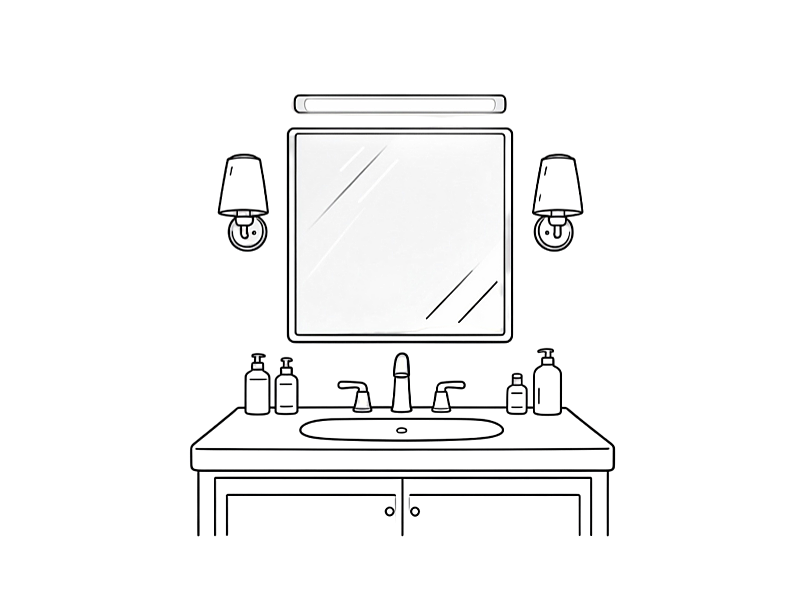
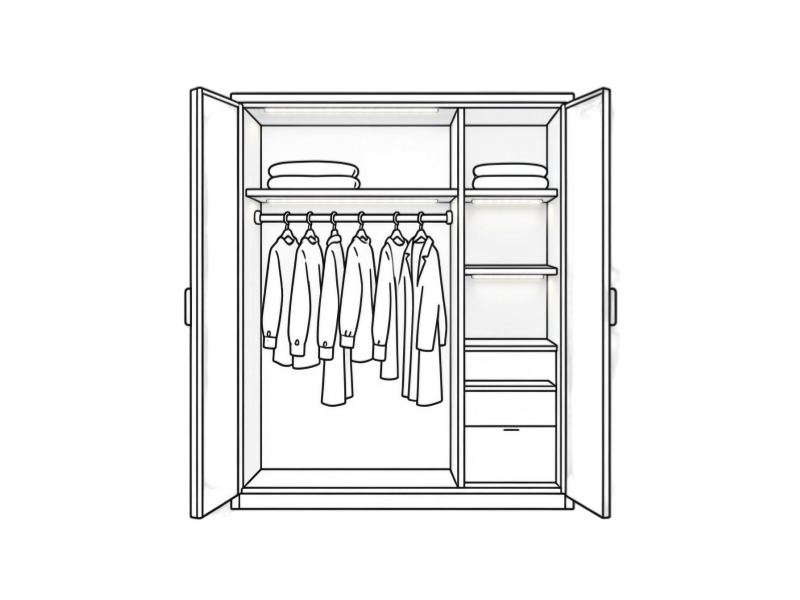
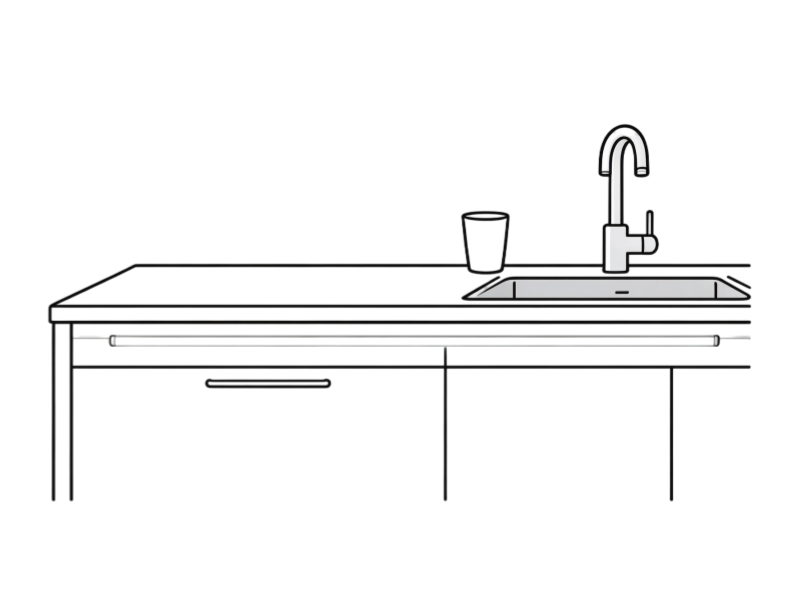
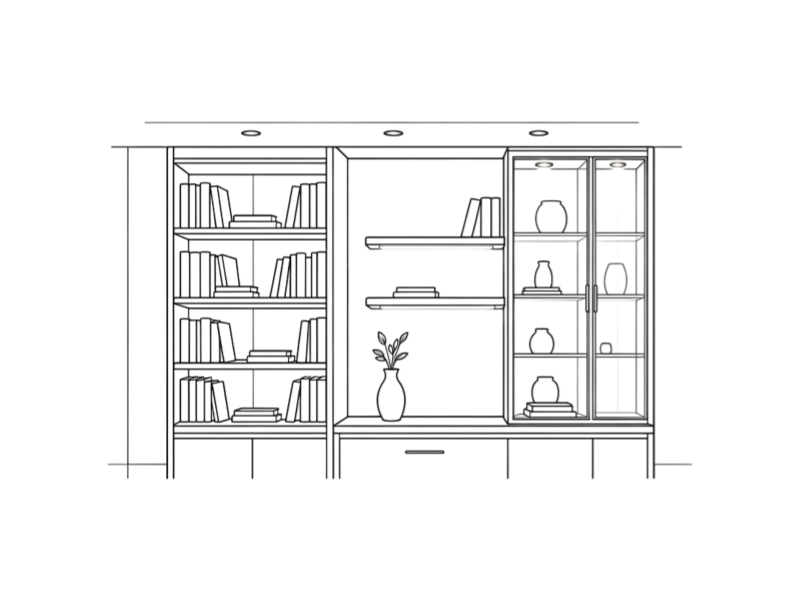
| Shelf, display and furniture | Slim neon flex or concealed linear profile | Heat near the shelf, cable exit, glare and color consistency |
| Automotive interior accent | Low-profile flexible product with secure fixing | Vibration, trim removal, thermal exposure and driver location |
Start with the lighting objective, not the product name
Neon flex is specified for the quality of the line, not just brightness.
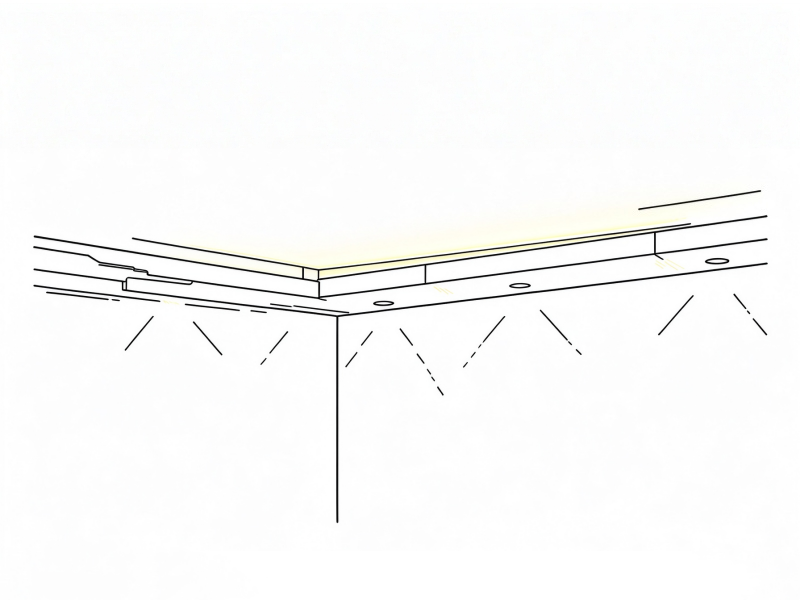
Tira led neon is usually chosen when the design calls for a continuous, diffused line: a sign outline, cove glow, shelf edge, architectural reveal, furniture accent or automotive interior trim. The first decision is optical. Will the viewer see the line directly, or only the reflected glow? A direct-view sign or outline needs even diffusion and clean terminations; a concealed cove needs the right beam direction and enough output to wash the surface without hotspots. Next, define color quality and consistency: warm, neutral or cool white, or a saturated color, and whether adjacent runs must match. Then define the mechanical path: straight runs, gentle curves, tight corners or changes in plane. This sequence prevents the common mistake of buying a sample that looks good on a desk but fails on bend radius, cut interval, driver location or dimming. For B2B projects, write the objective into the specification so distributors and contractors compare the same product family.
Match the neon flex configuration to the installation geometry
Geometry decides whether the run looks clean or forced.
Neon flex is not a single format. The main configuration decision is bend direction. Top-bend products are generally intended to bend in one plane; side-bend products are intended for another. The datasheet should define the permitted bend plane and minimum radius, and the installer should respect both. A sign outline with tight corners may need separate straight and curved runs rather than one forced piece. Cove lighting often favors a top-bend section mounted to direct light onto the cove surface, while shelving and furniture may need a slimmer side-bend profile with a concealed cable exit. Cut intervals matter because they set where the run can end, where connectors can be fitted and how much waste is accepted. Long runs need a power plan: voltage drop, power injection and driver placement can change the layout. Common mistakes include bending against the intended plane, ignoring cut marks, pulling the product around sharp corners, and leaving no space for connectors or end caps. Practical limits are real: neat corners, continuous lines and serviceable drivers must be designed, not assumed.

Voltage, drivers, control and dimming for projects
Power and control are system decisions, not accessories.
For commercial projects, confirm the site supply and driver input against the local electrical requirements rather than assuming a universal standard. Many linear LED systems operate on low-voltage DC, often 24 V, but the approved driver, load calculation and installation method must come from the product datasheet and local electrical requirements. Driver location is a design decision: it must be accessible for service, protected from heat and moisture, and close enough to manage voltage drop. Dimming is another compatibility issue. A neon flex run may dim smoothly with one control method and poorly with another, so test the driver, controller and product together. For signage, cove and display work, decide whether control is simple on/off, scene-based or connected to a building system, and specify the interface accordingly. Common mistakes are undersizing drivers, mixing incompatible dimmers, hiding drivers without access, and planning power injection only after the run is fabricated. Practical limits include voltage drop on long runs, minimum load on some drivers, and the need for separate power feeds where a single supply cannot serve the layout.
Thermal, mechanical and environmental limits
Flexible does not mean indestructible.
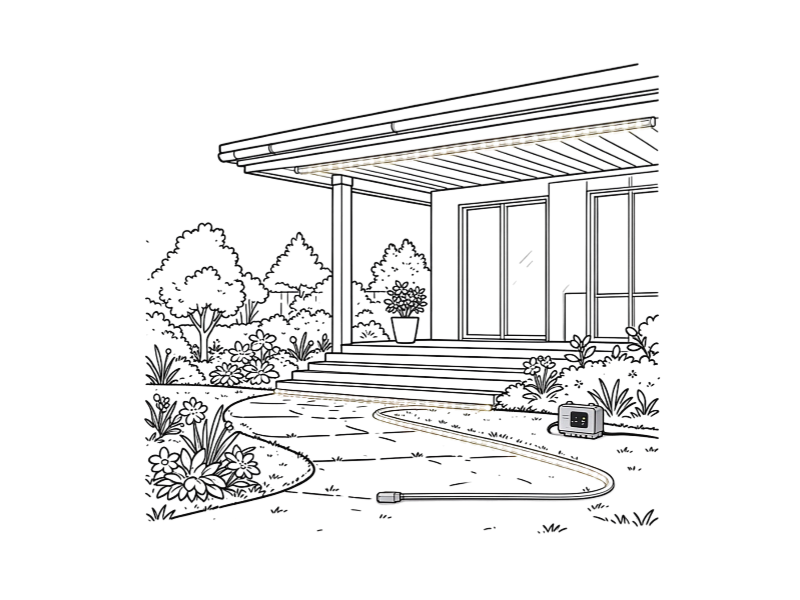
Tira led neon looks flexible, but it still needs a thermal path and mechanical support. Mounting surface, profile, ambient temperature and enclosure all affect how hard the product works. In a closed cove, cabinet or sign box, heat can build up; in a shelf or furniture application, the driver and connections may be more exposed to handling. In automotive interiors, vibration, trim removal and local heat are practical constraints that should be reviewed before selection. Ingress protection should match the actual environment, and the sealing method at ends and connectors must be completed as specified. A common mistake is to treat an IP-rated product as protected even when the cable entry or end cap is poorly sealed. Other failures come from tight bend radii, cable strain, abrasive edges and fixing methods that pinch the diffuser. Practical limits are simple: neon flex is not structural, it should not be used to bridge gaps without support, and it should not be installed where future service is impossible. Confirm the limits with the supplier and the installer.
Specifying and comparing tira led neon for procurement
Compare complete systems, not only price per metre.
For distributors, contractors and project buyers, compare tira led neon as a system, not as a price per metre alone. Build a comparison matrix with the application, bend direction, voltage and driver, cut interval, ingress protection, color temperature and consistency, dimming compatibility, mounting profile, connectors, end caps and service access. Ask for dimensional drawings and the relevant product data so the installation team can check radius, cable exit and fixing. A sample should be tested under the intended control gear and mounting condition, not only on a bench. Common procurement mistakes are mixing product families on one elevation, accepting loose connectors without a sealing plan, and buying a low-cost metre without the driver, profile and labor needed to make it work. Practical limits include custom lengths, connector lead times, spare-part planning and the need to keep color batches consistent across phased installations. For each destination market, verify site voltage, driver availability and local installation requirements before releasing the purchase order.
Frequently Asked Questions
Is tira led neon the same as standard LED strip?
No. Neon flex is a diffused linear product with a different optical and mechanical format. It is selected for continuous lines and diffusion, not as a universal replacement for every strip installation.
Can tira led neon be used outdoors?
Only with a product and sealing method intended for the actual environment. Confirm IP rating, cable entry, end caps and mounting method with the supplier; indoor neon flex should not be assumed suitable for wet or exposed locations.
What should buyers check first?
Application, bend direction, voltage and driver, cut interval, dimming and service access. These decisions usually matter more than a sample photo.
Tira led neon is a strong choice when the project needs a continuous, diffused line and a clean architectural result. The successful specification is rarely about the sample alone; it is about bend direction, driver compatibility, cut points, sealing, thermal path and service access. Buyers should compare complete systems and request the data needed to check the installation before ordering. Used within those limits, neon flex can simplify signage, cove, shelf, furniture and automotive-interior work while reducing the visual compromises of exposed diode strip.
If the project calls for a visible outline, compare the available LED neon flex families. For a finished sign, the LED sign lighting solution covers the mounting and service details around the flex.