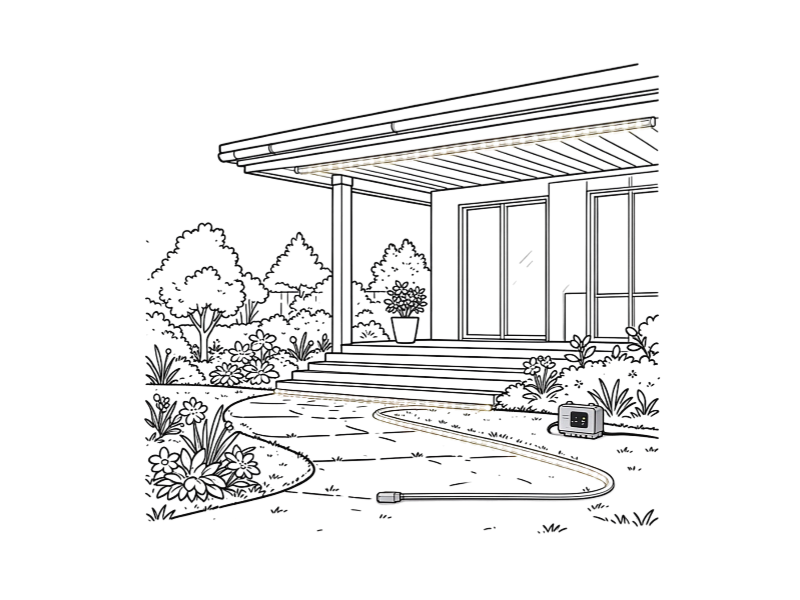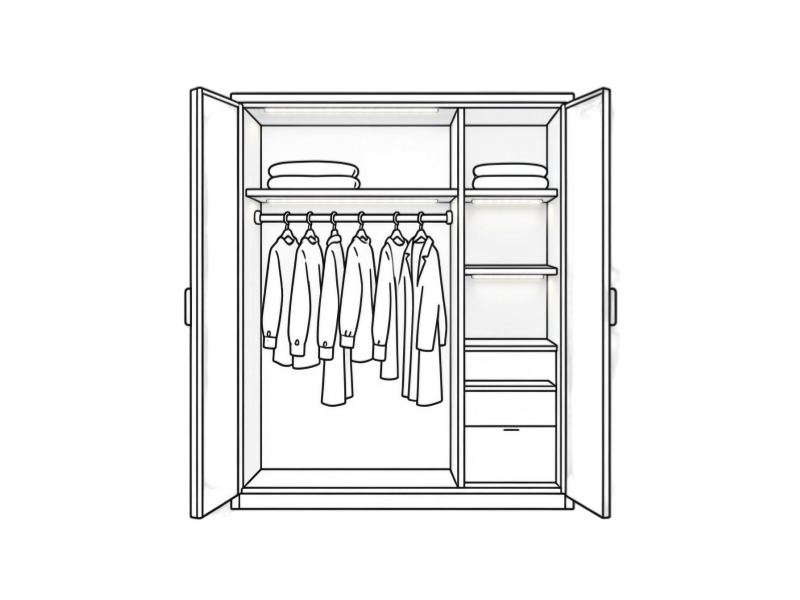
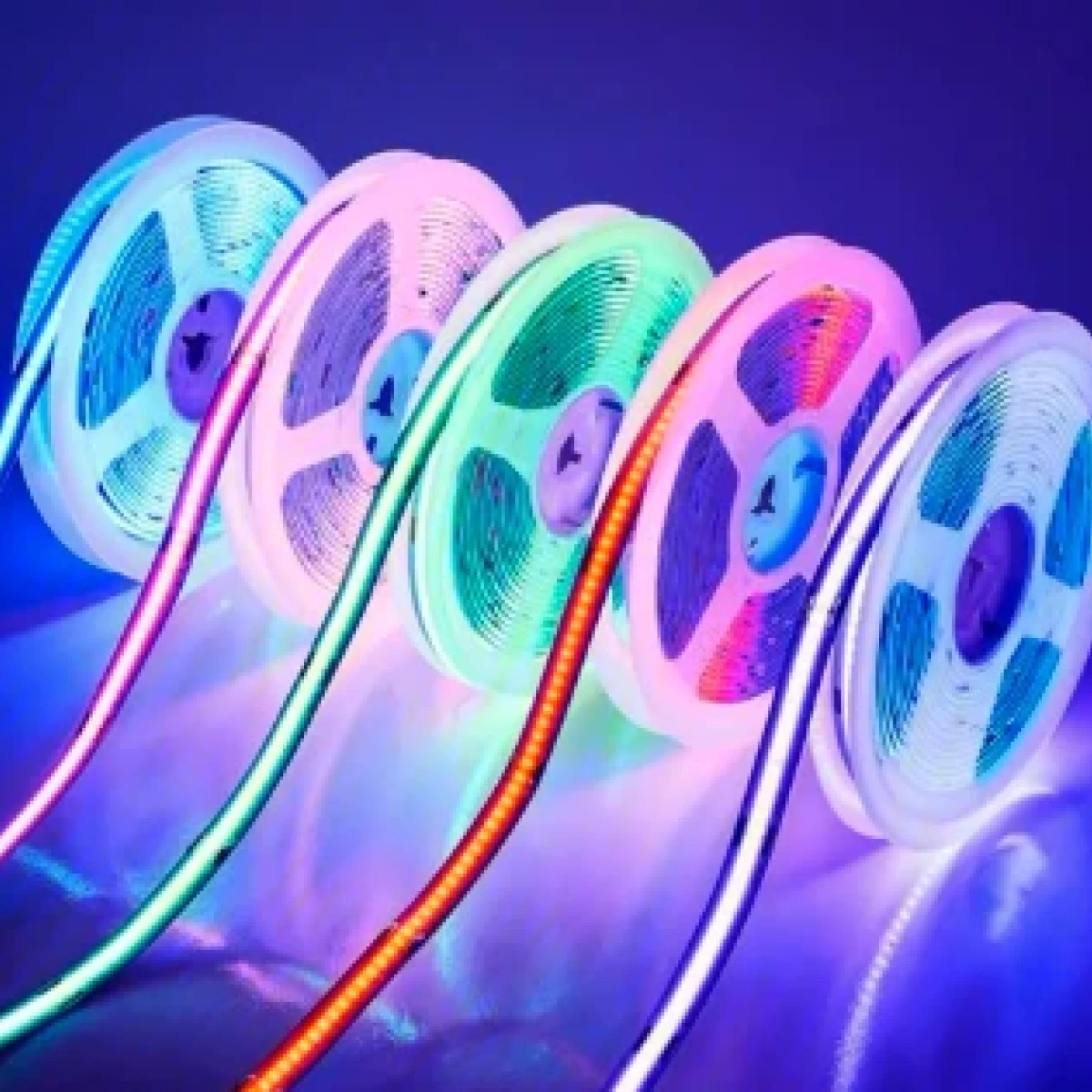
A line of light, not a visible row of LEDs
Design the cove before specifying the strip
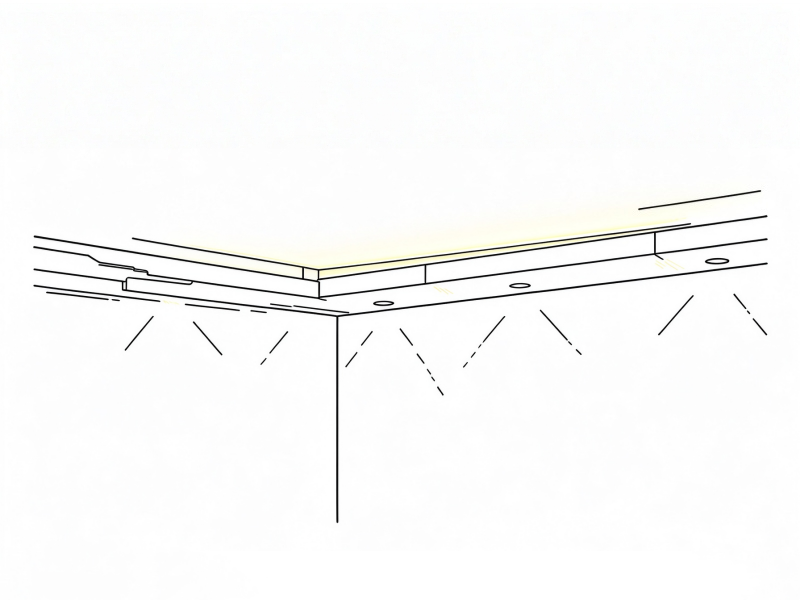
A ceiling cove works when its geometry hides the source and sends light where the room needs it. The return lip, setback, ceiling finish and viewing angle often matter more than a strip’s headline brightness. HHY can help coordinate the LED strip, aluminum profile, driver and control approach around a project drawing and a physical sample.
For hotels, homes, retail interiors and shared spaces, we start with the intended effect: a soft ceiling wash, an illuminated perimeter or a crisp line at an architectural edge. These are different details and need different placement and diffusion.
Related product families
Select the light engine and mounting detail after the cove size, desired appearance and maintenance access are defined.
COB LED Strip
A useful starting point when the cove may reveal a continuous line and visible LED dots would distract.

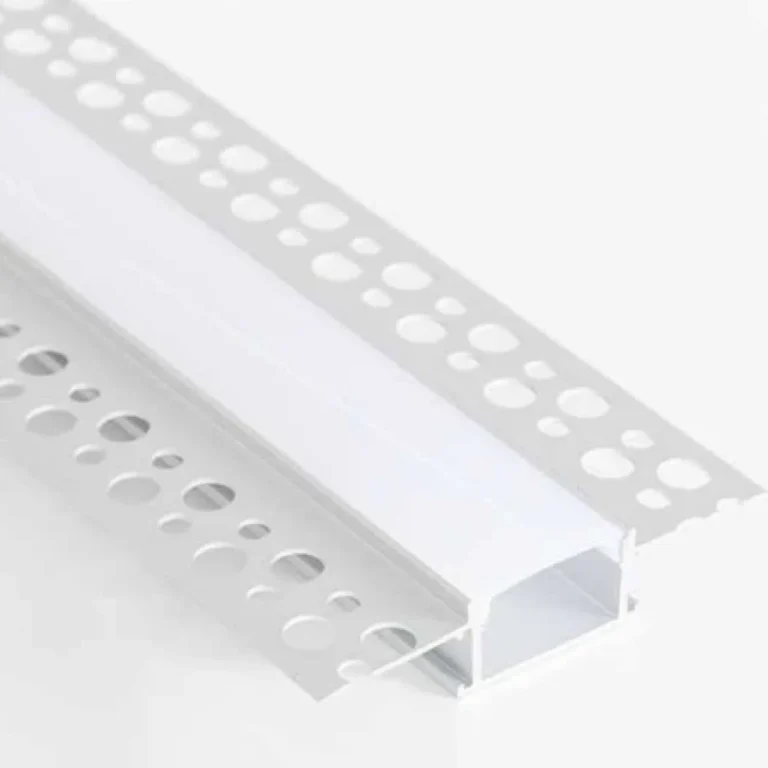
LED Aluminum Profiles
Profiles and diffusers help manage the mounting line, finish and protection of the installed assembly.
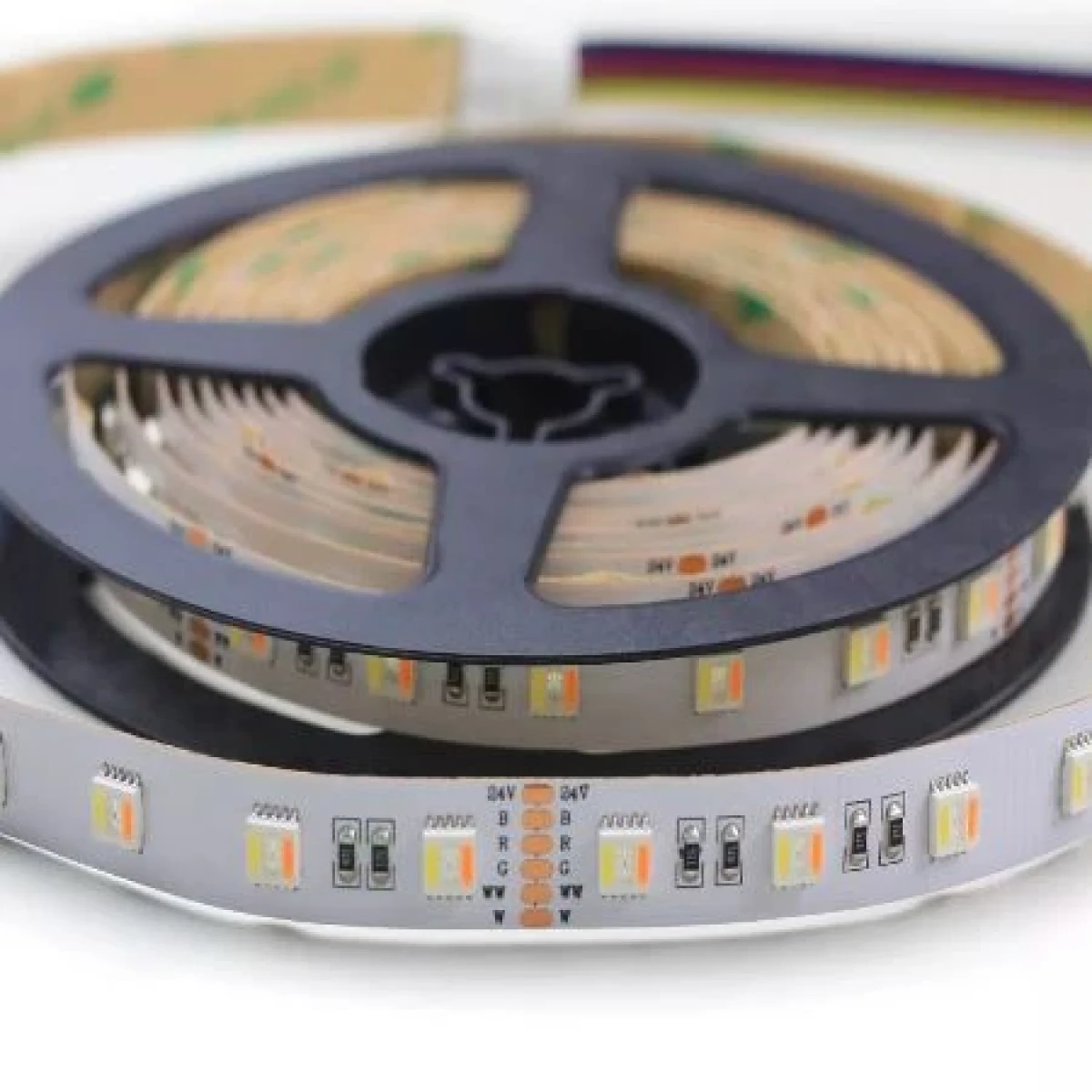
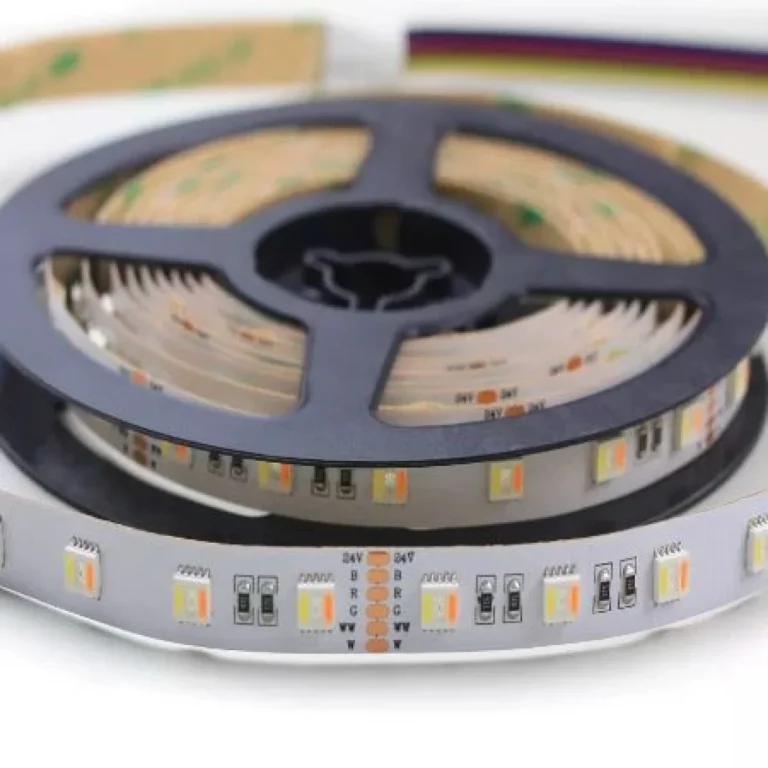
Tunable White LED Strips
Consider adjustable white light where one space needs different scenes across the day or evening.

Make the section work on site
Four decisions that shape the result
- Setback and lip: check sightlines from seating and circulation areas so the LEDs stay hidden.
- Light direction: decide whether the cove should wash a ceiling, reveal an edge or supply part of the room’s ambient light.
- Run and power: divide long runs into serviceable electrical sections and plan where drivers and cable exits can be reached.
- Finish and diffusion: test the actual ceiling paint, profile and strip together; reflective surfaces can expose dots or unevenness.
Exterior dimensions, heat paths, power loading and local electrical requirements should be confirmed for the selected configuration by the project team.
Choose the right cove detail
The same product family can create very different results when the geometry changes.
Soft ceiling wash
Place the source so light reaches the ceiling surface without creating a bright hot spot immediately above the lip. Test the setback with the real ceiling finish.
Perimeter line
Prioritize uniformity at corners and transitions. Agree where joints, wiring and changes in direction can be concealed before finalizing lengths.
Low profile recess
When depth is limited, compare COB and diffused profile options. Check visibility from oblique viewpoints rather than judging a sample straight on.
From drawing to repeatable installation
What to send for a useful specification
Share a section drawing with cove width and depth, the reflected ceiling plan, target color appearance, room finishes, control requirements and expected run lengths. Mark possible driver locations and maintenance access. We can then suggest a practical strip and profile combination to sample.
For repeat projects, approve the viewed sample, electrical layout, corner treatment and installation notes before ordering full quantities. This keeps the delivered line of light closer to the signed-off mock-up.
Frequently asked questions
Is COB always the best strip for a cove?
No. COB can help when the source may be visible, but a well-hidden high-density strip may also work. The cove section, diffuser and viewing angle decide.
Can a single LED run follow an entire ceiling perimeter?
Long perimeters should be planned as electrical and service sections. The maximum practical run depends on the selected strip, power supply, wiring and brightness requirements.
How should we choose color temperature?
Choose the visual target alongside room finishes and other luminaires. If the space needs multiple scenes, compare tunable white with a fixed white specification using a physical sample.