
Draw the architecture after dark
Start with the line the building should show
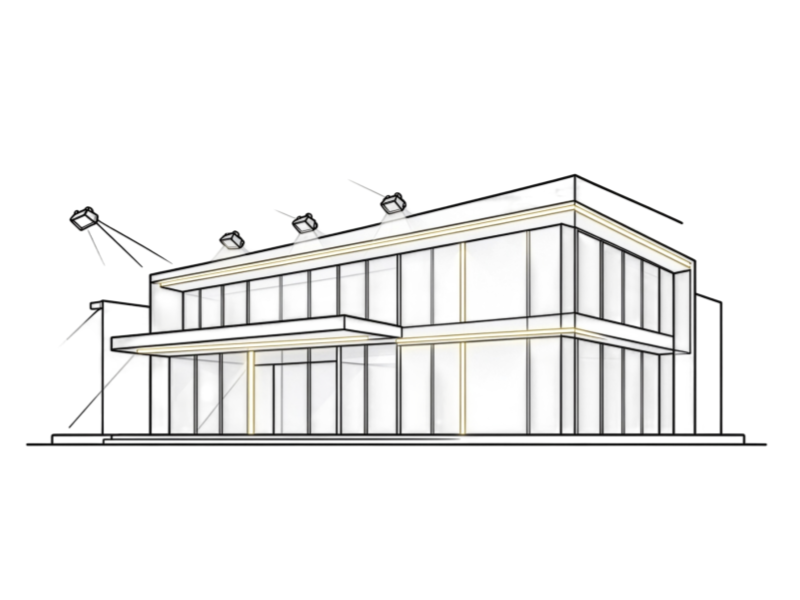
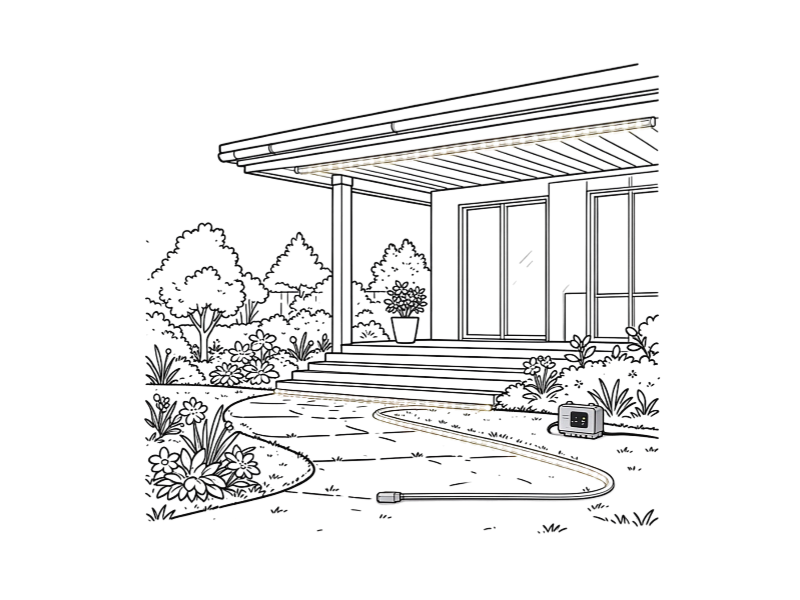
Facade outline lighting can make an entrance, cornice, roofline or other architectural edge legible at night. The lighting should follow the building’s form rather than compete with it. Before selecting an LED strip, define which edges matter, the viewing distance and whether the line needs to appear warm white, static color or controlled color.
HHY’s outdoor decorative range includes silicone neon flex for architectural outlines and related flexible strip options. We can discuss the light source and mounting detail against drawings and a physical sample. The final protection and installation method must suit the actual site exposure.
Related product families
Choose the line appearance and direction first; then check the specific product’s bend plane, dimensions and protection.
LED Neon Flex
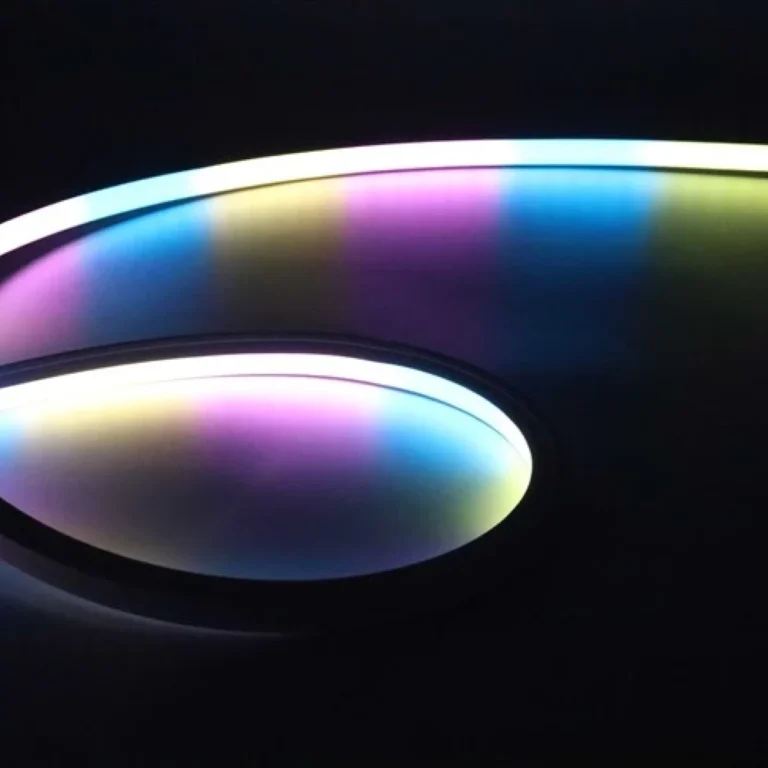
For a continuous diffused outline where a visible line is part of the facade design.
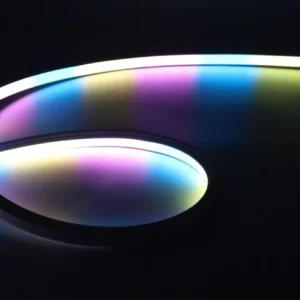
RGB LED Neon Flex
For projects with intentional color scenes; agree the control scheme and operating limits before procurement.
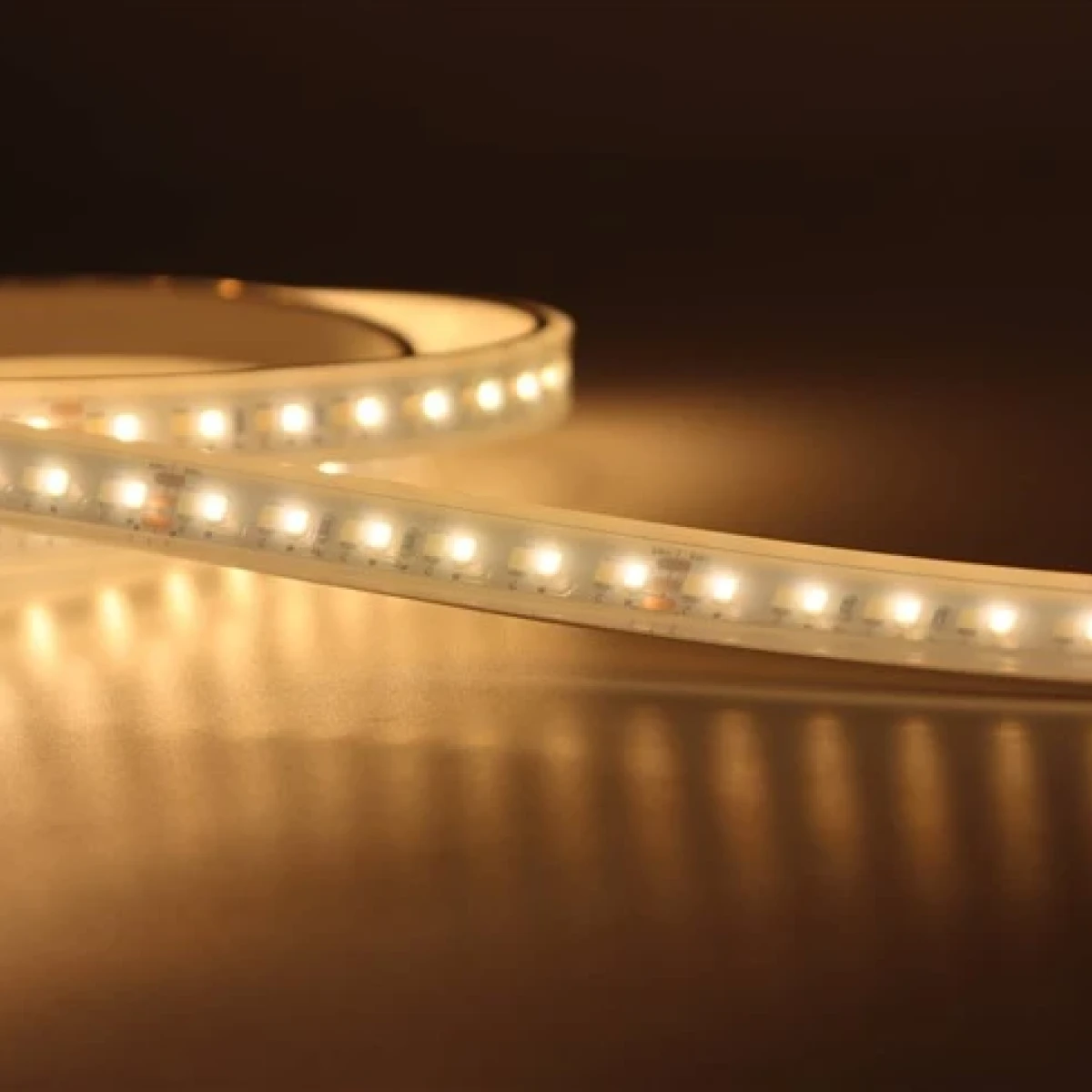
Waterproof LED Strips
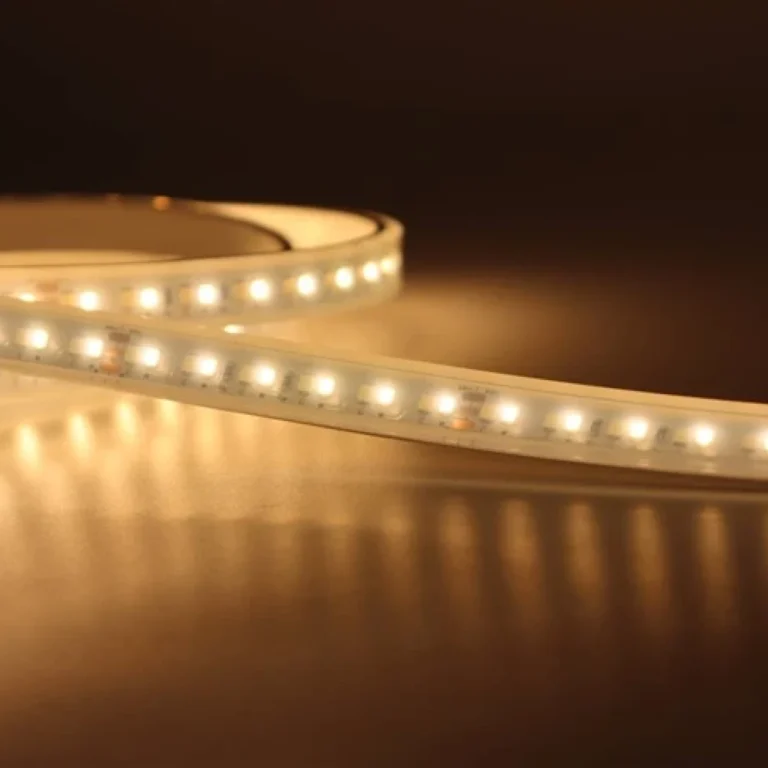
Consider a protected strip when the source will be concealed in a profile or behind an architectural detail.

A facade is more than a light source
Plan the installed system for its exposure
- Line geometry: mark straight lengths, bends, corners and terminations on elevations before ordering.
- Orientation: confirm whether the line must bend sideways or vertically and which face should emit light.
- Mounting and service: agree clips or channels, concealed cable paths and access for repair.
- Weather interface: review water paths, connectors, end treatments and facade penetrations as one installed assembly.
- Controls: decide whether static white is enough or a defined color scene and controller are needed.
A product’s stated ingress protection does not by itself certify the completed facade installation. The project team should verify the final assembly against applicable local requirements.
Match the light effect to the building detail
Use a site mock-up to check the actual viewing distance, surface finish and night-time brightness.
Rooflines and parapets
Keep the line visually continuous while planning mechanical fixing and cable transitions at corners.
Entrances and vertical edges
Check the appearance from pedestrian eye level and avoid exposed glare or visible termination points.
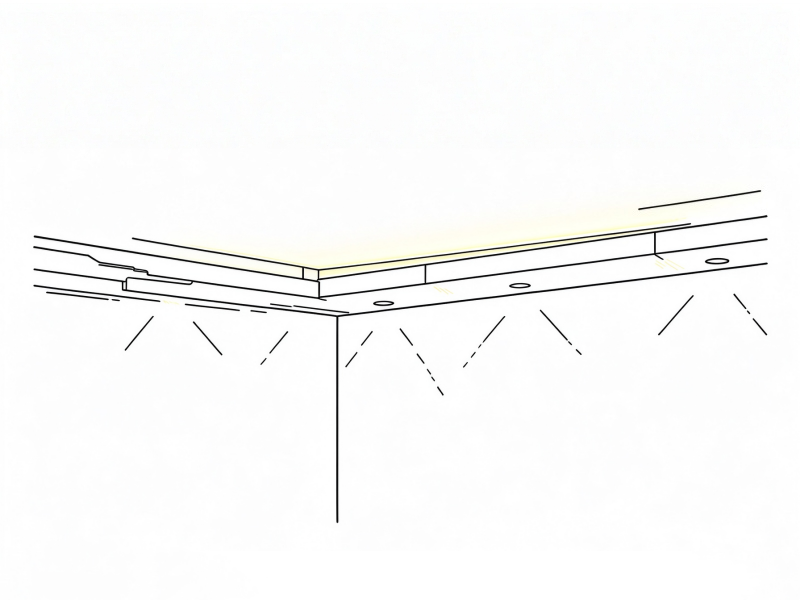
Recessed facade details
A concealed strip can wash a narrow edge or reveal depth without making the light source itself the visual feature.
From elevation to sample
What to share before selecting a configuration
Send the facade elevation, the line lengths, corner radii, intended viewing distance, installation height, substrate and cable entry points. Include photos of the mounting area and the control intent. These details help narrow the strip or neon flex family and expose practical questions before installation.
For projects across Europe and the Middle East, the electrical design, protection method and installation must be checked against the destination market’s requirements. We recommend approving a sample on the real facade material before releasing a repeat order.
For general exposed-area planning beyond outline lighting, see our outdoor LED strip lighting solution.
Frequently asked questions
When is neon flex preferable to a protected LED strip?
Choose neon flex when a continuous illuminated line is meant to be seen. A protected strip may be more suitable when the source is concealed and the architectural surface should receive the light. For that effect, review the catalogued D12 flexible strip for wall washing and test it against the project surface.
Can every neon flex product make the same corner?
No. Products differ in bend direction and minimum radius. Confirm the planned corner and test it with the selected sample.
Is an IP rating enough for an outdoor facade?
No. Connectors, ends, mounting and cable entries are part of the installed system and need their own project review.
Send Your Facade Elevation to HHY