Why Buy OEM Silicone Neon Flex from a Manufacturer with In-House Extrusion?
A purchasing team can receive three quotations for “silicone neon flex” that appear to describe the same product. The quoted voltage, colour and IP rating may match, yet the samples can differ in light uniformity, bend behaviour, end sealing and the way the next batch looks. For a one-off installation, those differences may be manageable. For a lighting brand or distributor placing repeat orders, they become purchasing risks.
That is the practical reason to consider an OEM silicone neon flex manufacturer with both LED strip production and silicone extrusion capability. It does not automatically make every product better or every quotation cheaper. It gives the buyer a clearer route to specify the complete light line, approve a sample and ask for the same construction again. Here is how to decide whether that manufacturing setup is worth paying for—and what evidence to request before placing an order.
Start with the cost of getting the specification wrong
The reel price is only one line in a buyer’s calculation. If an outdoor sign needs replacement because its ends admit water, or a second production batch has a visibly different colour, the cost also includes labour, freight, customer service and damaged confidence in the brand. The relevant question is therefore not simply “Who offers the lowest price per metre?” It is “Which supplier can make the approved construction consistently?”
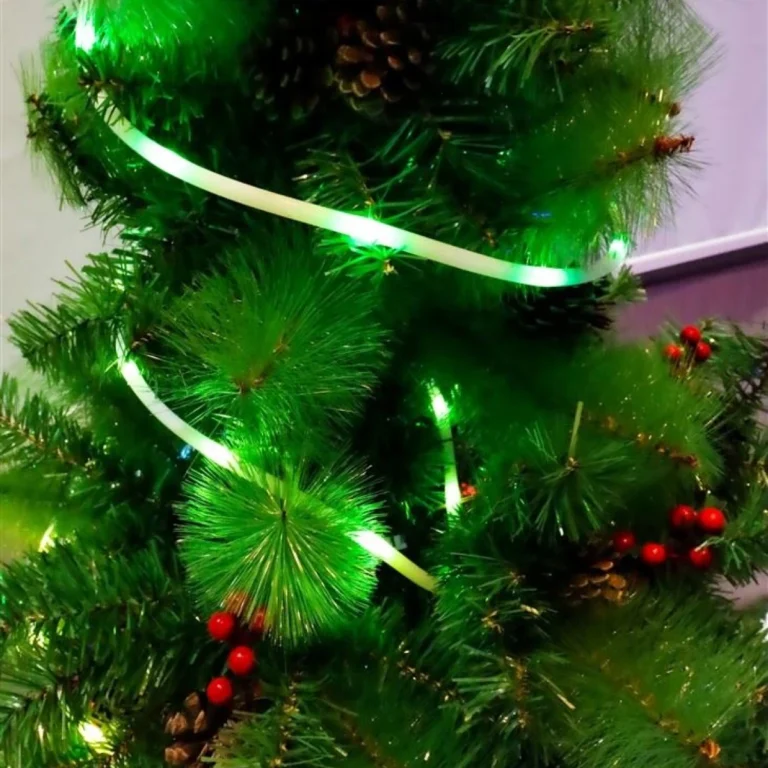
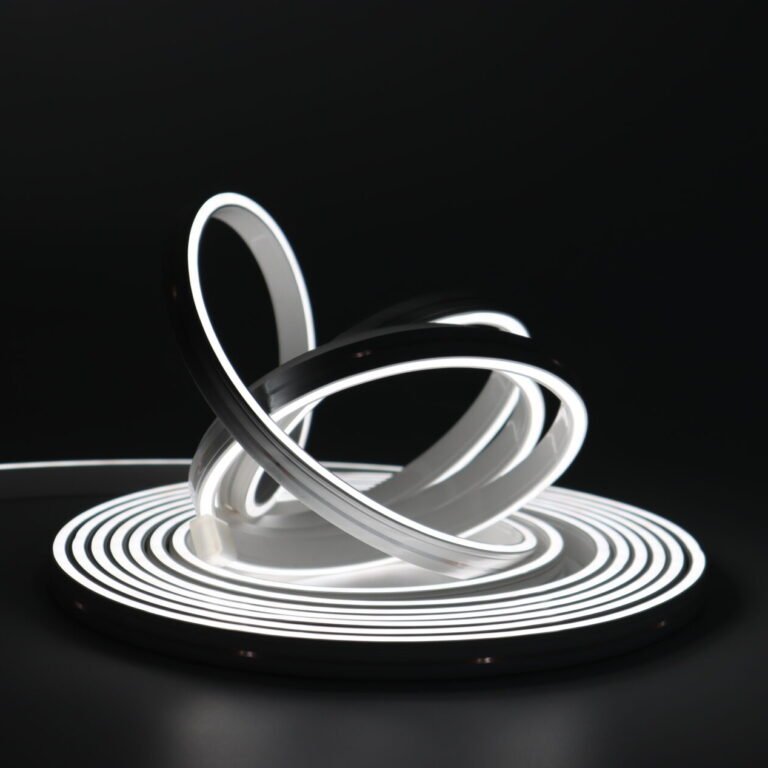
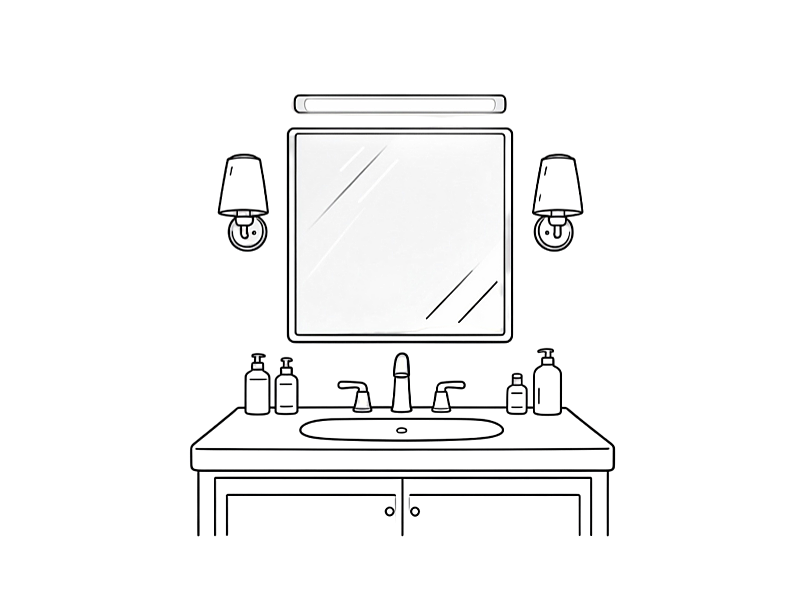
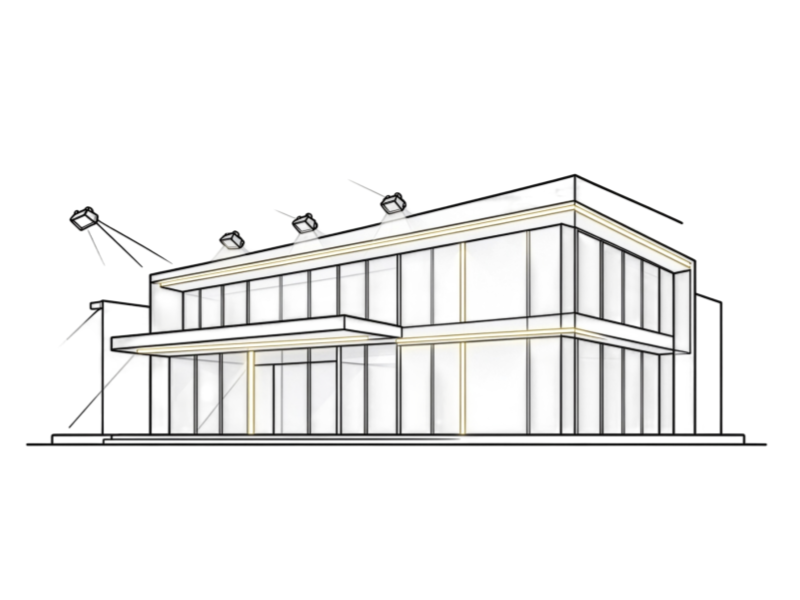
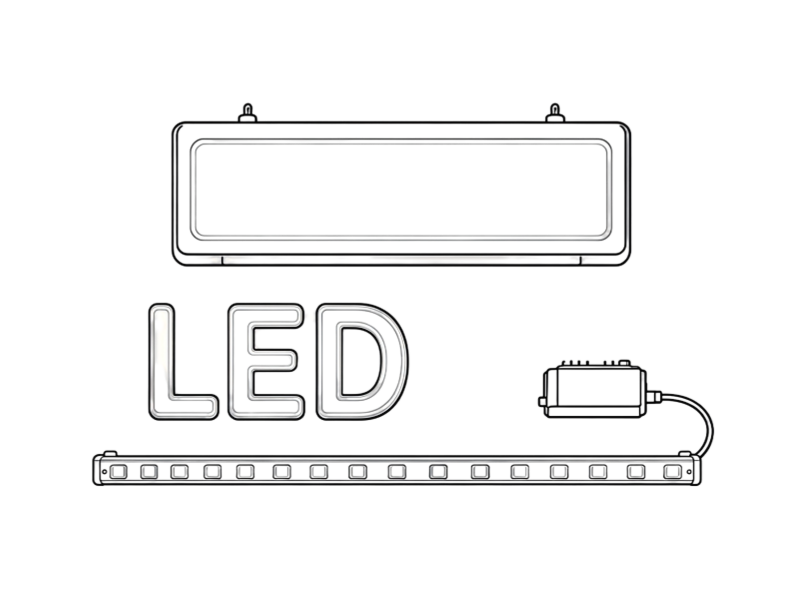
Write down the intended application before comparing suppliers. A façade outline, a letter sign and a curved interior feature may all use neon flex, but they can require different cross-sections, emitting surfaces, bend directions and mounting methods. The LED neon flex product family is a useful starting point; the final choice still needs to be made against the drawing and installation conditions.
Why the strip and silicone body should be specified together
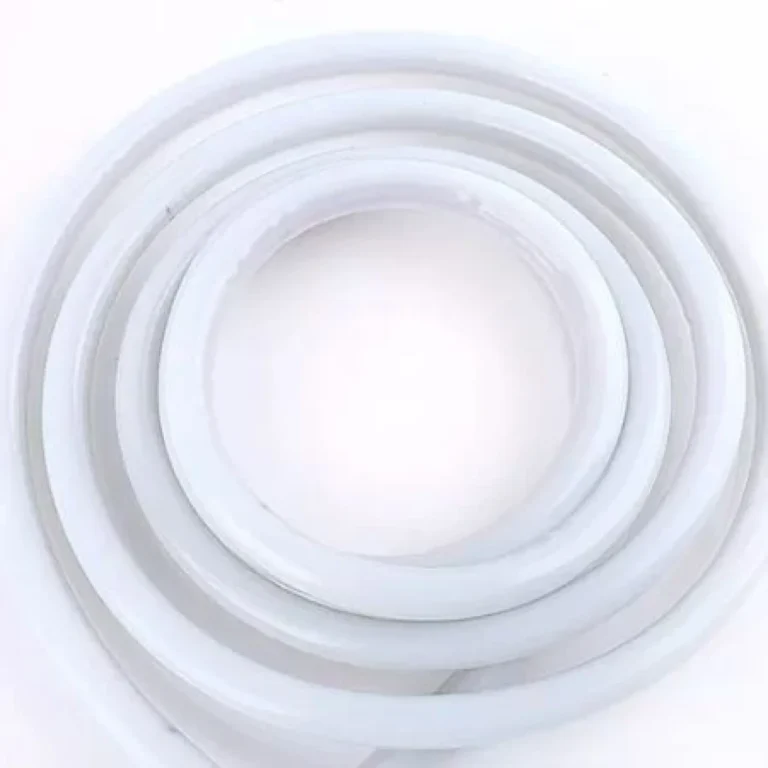
A neon flex is more than an LED strip inside a tube. The LED pitch and position affect the visible light line. The silicone body affects diffusion, dimensions and bending. Power, cable entry and the finished ends affect the installed assembly. If a supplier changes one part while treating the others as fixed, the finished result may no longer match the approved sample.
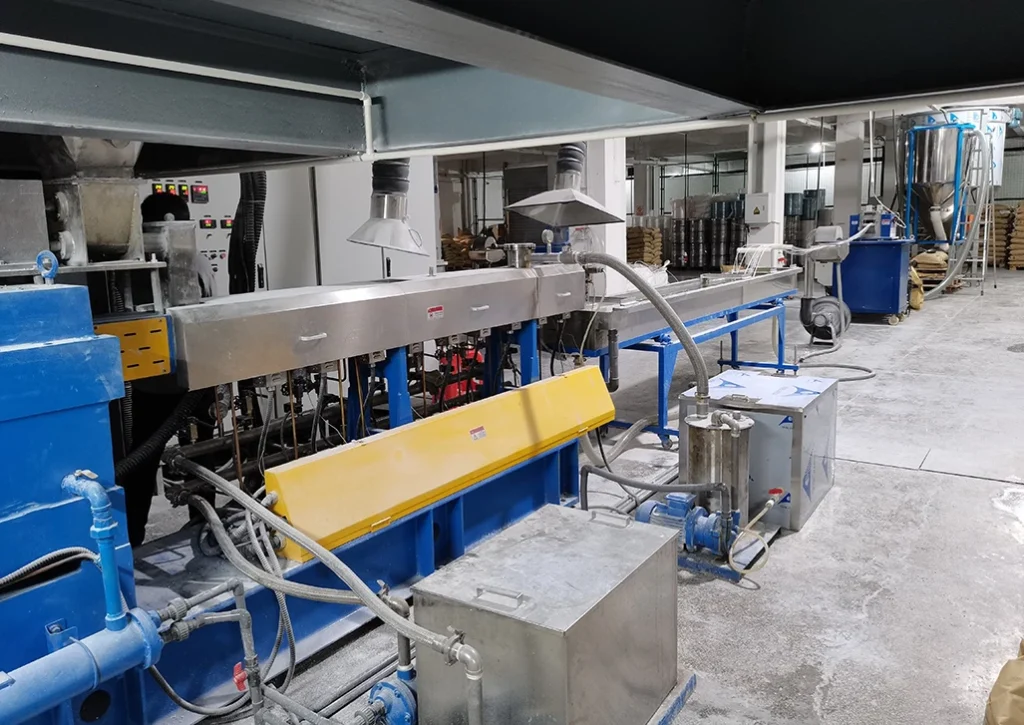
HHY Lighting states that it operates LED strip production, silicone extrusion, assembly and inspection within its Xiamen manufacturing facility. For an OEM buyer, the value of that arrangement is the ability to discuss the strip, cross-section and finished construction as one specification. It is particularly relevant when a standard catalogue profile will not fit an existing sign channel or architectural detail. The claim should still be checked in the normal way: request a drawing, a finished sample and the inspection criteria for the proposed model.
Ask for evidence that will still matter on the second order
A bright sample is easy to appreciate. A repeatable sample is harder to judge. Before approving it, record the details that can drift between batches: cross-section dimensions, emitting face, colour temperature or colour coordinates, output, power per metre, cut interval, bend direction, cable position, end treatment and packaging label. Keep a signed or photographed reference sample alongside the specification.
Ask how the supplier checks those details in production. HHY lists electrical testing, colour and light measurements, aging, appearance inspection and other checks according to product type. The buyer should confirm which checks apply to the exact item being purchased, what the acceptance limits are and whether results can be linked to a batch. A general factory capability list is useful; a model-specific inspection plan is more useful.
Treat the IP rating as a property of the finished assembly
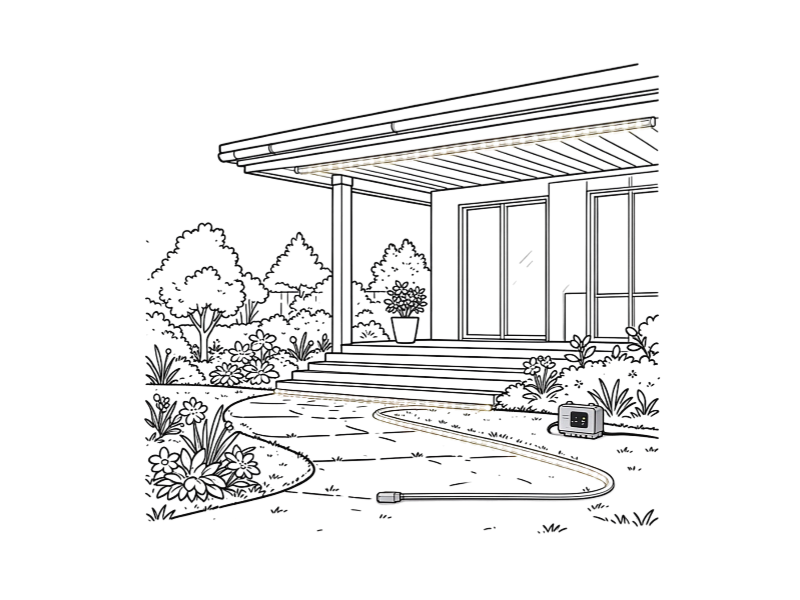
For outdoor work, do not judge protection from the silicone body alone. The ends, cable exits, connectors and installation method are part of the finished product. IEC 60529 defines the IP code framework, but a rating on a product page does not answer whether a particular field-cut or connector arrangement has been assessed. Ask which finished configuration the supplier’s evidence covers.
The same discipline applies to documentation for Europe. Request documents for the actual model and destination market, rather than accepting a generic “CE/RoHS available” statement as the final check. The European Commission’s manufacturer guidance explains why conformity assessment and technical documentation are product-specific responsibilities. Your importer or compliance team should review what applies to the complete product being placed on the market.
When an integrated manufacturer is worth choosing
The strongest case is a repeat-order programme with a defined appearance or installation constraint: private-label neon flex for a distributor, a sign system with fixed channel dimensions, or an architectural project with specified light colour and finished lengths. In those cases, changes to the LED strip, silicone profile, end treatment and packaging need to be coordinated. A supplier that can discuss those choices together may reduce the number of hand-offs during sampling and revisions.
There are also cases where this capability adds little value. If you need a small quantity of a standard profile immediately, a local stockist may be the better choice. If your specification is still changing every week, settle the installation detail before requesting a production quotation. Choosing a manufacturer should follow the complexity and repeat volume of the order, not a slogan about buying “factory direct.”
| Buyer’s question | What to request | Why it matters |
|---|---|---|
| Will the light line match our design? | Working sample in the intended mounting detail | Reveals visible dots, glare and colour in context |
| Will it fit and bend correctly? | Cross-section drawing, dimensions and bend direction | Prevents a good-looking sample from failing to install |
| Is the outdoor construction suitable? | Details of finished ends, cable exits and applicable test evidence | Checks the assembly, not only the silicone body |
| Can the next batch match? | Approved reference sample and written tolerances | Creates a shared standard for repeat orders |
| Can we sell it under our brand? | Label, reel, carton and document proofs | Prevents packaging errors at delivery |
| Are the documents relevant? | Model-specific documentation for the target market | Lets the buyer’s compliance team assess the actual item |
Where HHY Lighting fits—and how to test the fit
HHY Lighting is based in Xiamen and describes its manufacturing setup as two SMT production lines, three silicone extrusion lines and seven assembly lines, supported by inspection and OEM packaging options. Those capabilities make the company a candidate when a buyer needs a specified LED strip and silicone construction supplied as a repeatable product. They are a reason to start a technical discussion, not a substitute for approving the exact item.
Send HHY the application, a drawing or photo, required emitting surface and bend direction, voltage, light colour, finished lengths, exposure conditions and estimated quantity. Ask for one or two proposed constructions, their differences and the sample checks that will be carried into production. That conversation will show more about supplier fit than a broad catalogue or a lowest-price comparison. You can send the project details here.